
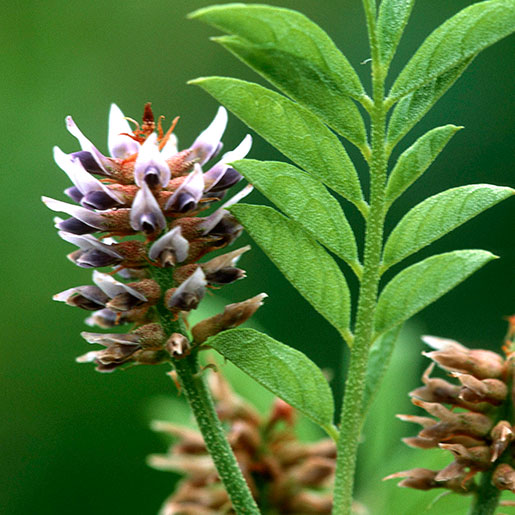
Madhuka (Licorice Root) or Yashtimadhu in Ayurveda, has earned its reputation as one of nature’s most effective healing roots. For centuries, it has been trusted across cultures for its soothing taste and wide-ranging health benefits. Whether used in traditional remedies or modern wellness practices, this sweet-tasting root continues to play a powerful role in supporting immunity, digestion, skin health, and more.
Names of Madhuka (Licorice Root) in Different Languages
- Sanskrit: Yashti-madhu, Madhuka
- Hindi: Jethi-madhu, Mulahatti
- English: Licorice, Liquorice, Sweet wood
- Arabic: Aslussiesa
- Gujarati: Jethimadhu
- Bengali: Jashtimadhu, Jaishbomodhu
- Kannada: Yastimadhuka, Atimaddhura, Jeshtamadhu
- Punjabi: Jatimadhu
- Oriya: Atimaduram
- Tamil: Atimadhuranu, Yashtimadhukam
- Telugu: Ausareha Mahaka
- Persian: Boisdota, Sussholz
(Source: INTERNATIONAL JOURNAL OF SCIENTIFIC RESEARCH)
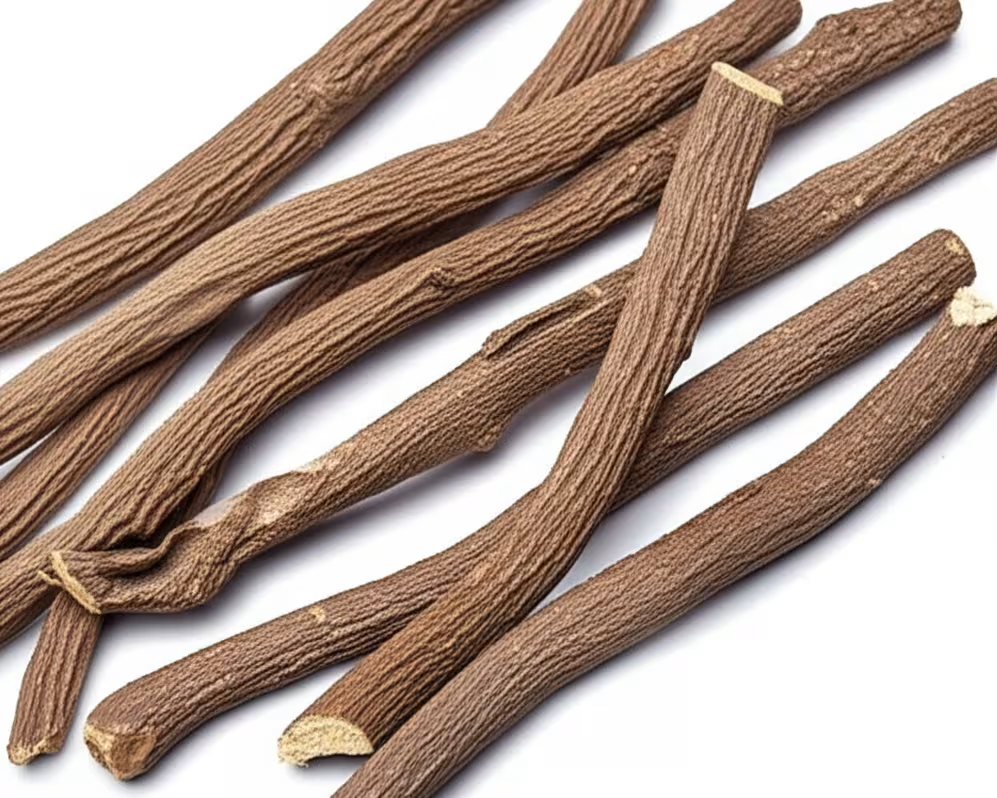
Where Madhuka (Licorice Root) Grows and What It Looks Like
Yashtimadhu is commonly grown in full sunlight and moist soil. It thrives in open fields, roadsides, and disturbed areas. One of the well-known varieties, Wild Licorice (American Licorice), is native to North America. It is not the same as the European species (Glycyrrhiza glabra), which is used to flavor licorice candies.
The plant has soft, sticky stems and cream-colored flowers. Its green seed pods turn dark brown in winter, adding ornamental value. Wild varieties spread through rhizomes and help enrich the soil by fixing nitrogen.
Madhuka (Licorice Root): Rich Composition and Traditional Uses
Yashtimadhu has long been known for its balancing and healing properties. Ancient texts praise it for calming Vata and Pitta doshas. Its roots are naturally sweet and carry a strong flavor.
According to classical and modern studies, licorice has multiple benefits:
Ancient Uses vs. Modern Uses
(Source: National Library of Medicine, PMC Article on Historical Use of Licorice)
| Respiratory | Asthma, cough, voice problems | Helps discharge mucus, relieves throat irritation |
| Gastrointestinal | Ulcers, liver issues, mouth sores | Soothes gastritis, ulcers, used as mild laxative |
| Cardiovascular | Palpitations, artery issues | Acts as antioxidant, reduces cholesterol |
| Urinary | Kidney stones, bladder pain | Mild diuretic when used with other herbs |
| Skin | Ulcers, warts, lesions | Anti-inflammatory, useful in dermatitis and UV damage |
Beauty and Skincare Applications
Licorice is a popular ingredient in natural face packs. It improves skin tone, reduces acne, and fades scars. Here’s how you can apply it:
For Oily Skin:
Mix fine licorice powder with water. Apply the paste to your face for 5–15 minutes. Rinse with warm water.
For Dry Skin:
Mix 5 grams of licorice powder with 10–15 drops of Kumkumadi Taila. Apply evenly on the face and rinse after 15 minutes.
For added effect, red sandalwood powder can be added in equal parts to both pastes.
Voice and Throat Relief
Singers and speakers often chew small sticks (2–3 cm) of licorice for a clear voice. Another remedy is to mix half a teaspoon of licorice powder with ghee or honey and swallow slowly. This method soothes the throat and improves voice clarity.
Other Therapeutic Benefits (Ayurvedic View)
Yashtimadhu has a wide range of uses:
- Balances Vata and Pitta
- Detoxifies blood (Asrajit, Vishahara)
- Heals wounds and inflammation (Vranashothajit)
- Relieves vomiting (Chardihara)
- Reduces excessive thirst (Trushnahara)
- Boosts strength and immunity (Balya, Kshayhara)
- Improves eyesight and hair growth (Chakshuya, Keshya)
- Soothes anxiety and stress (Glanihar)
Caution and Dosage
While licorice is mostly safe, excessive use can lead to high blood pressure. Ayurveda recommends not more than 3 grams per day. A high dose like 30 grams daily, over many weeks, can cause health issues.
- Powder: 1–3 grams once or twice a day
- Decoction: 1 tsp powder boiled in 2 cups water, reduced to half cup. Dose: 15–30 ml
- Tablets/Capsules: 1 daily, or as advised by an Ayurvedic doctor
Yashtimadhu is stomach-friendly. It can be taken on an empty stomach or with cow’s milk for Pitta-related disorders. It’s suitable for diabetics too. However, it’s not ideal for asthma due to its cooling nature.
(Reference: Charaka Samhita – Rajayakshma Chikitsa)
ALSO READ: Healing Power of Kanchanapami: Incredible Benefits of Cassia auriculata You Need to Know
Conclusion
Yashtimadhu (Licorice) is more than just a sweet root. From Ayurvedic medicine to modern skincare and wellness, its wide-ranging benefits have stood the test of time. Whether you’re using it to heal, beautify, or calm your voice, this ancient herb is nature’s gentle healer — when used mindfully.
Disclaimer:
The information provided in this article is for educational and informational purposes only. It is not intended to diagnose, treat, cure, or prevent any disease. Always consult with a qualified healthcare professional before starting any new herbal or health regimen. While traditional knowledge and scientific research support many of the benefits mentioned, individual results may vary. We encourage informed choices and responsible wellness practices.


