
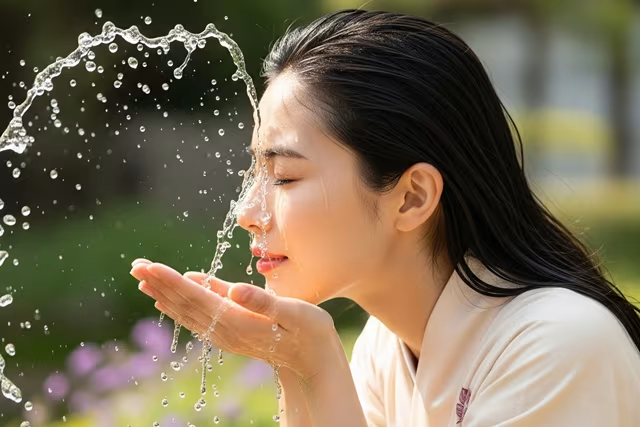
Discover the Japanese Face Cleansing Secrets – Their Rituals and Timeless Beauty Practices That Are Gaining Attention Across Asia and Worldwide. Many people are searching for these methods online, and now, we’re going to reveal how to maintain and practice these beauty secrets.
The Power of Japanese Face Cleansing Secrets
Before the rise of modern skincare, Japanese women relied on nature’s wisdom. For centuries, they washed their faces using rice bran, azuki bean powder, and even bush warbler droppings. These might sound unusual today, but they offered deep cleansing, gentle exfoliation, and a luminous glow.
Even when Western soaps and creams arrived as fashionable luxuries, Japanese women often returned to their trusted powders. These traditional methods weren’t just routines, they were rituals of self-care rooted in elegance and effectiveness.
Japanese face washes were not only about cleaning the skin. They also nourished, healed, and brightened the complexion. The bran, beans, and bird droppings worked together to purify without stripping away natural oils.

Unlike soaps, these powders could be massaged into the skin and even left on like a mask. This allowed for deeper benefits – smoothness, softness, and a balanced glow.
The result? Skin that looked refreshed, silky, and renewed. For Japanese women, this fresh canvas was the foundation of all beauty routines.
Choosing the Right Tools for Practicing Japanese Face Cleansing Secrets
The effectiveness of this beauty method also depends on how it’s applied. Japan’s skincare tradition offers several tools, each tailored for different skin types and needs.
1. Drawstring Bags
In ancient Japan, silk bags were used by noblewomen, while cotton was used by commoners. These bags held the cleansing powders inside. Once soaked in warm water, they gently released the active ingredients as they glided across the skin.
These soft fabric pouches provided both gentleness and stimulation. They were fine-textured, reusable, and easy to dry. Whether made at home or purchased, the bag technique was a go-to method for many women.
You can also use a square of muslin or gauze – just fill the center with powder and tie it up. It works just as well.
2. Face Brushes
Soft-bristled face brushes are also popular in Japan. With small circular motions, they cleanse and exfoliate. However, this method might be too intense for sensitive or oily skin. People with sunburn or irritation should avoid using brushes altogether.
3. Natural Sponges
Sponges made from sea sponge or konnyaku root are gentle and toxin-releasing. The konnyaku sponge, in particular, gives skin a dewy, jewel-like finish. These are ideal for babies, delicate skin, or people with conditions like eczema or rosacea.
4. Fingertips
When nothing else feels right, trust your fingers. This is the most natural and non-abrasive method. It respects the skin’s structure while still giving a complete cleanse.
Whichever tool you choose, the key is to treat your skin with care. As Japanese mothers often say, wash your face as if polishing a precious art object – gently, patiently, and with love.
How to Perform the Japanese Face Wash
- Start with oil. Use natural oil to dissolve makeup and oil-based impurities. Gently massage your face.
- Wipe with cotton. Remove the oil softly, without tugging your skin.
- Wash with cleansing powder. Mix a small amount of rice bran or azuki powder with water. Use your chosen tool to wash the face. Keep the water body temperature warm.
- Rinse well. Use clean water to rinse thoroughly. End with a splash of ice-cold water to tighten and refresh the skin.
- Pat dry. Use a soft cloth like silk, gauze, or muslin. Pat – don’t rub.
Why Japanese Face Cleansing Secrets Still Matters Today
While modern skincare is full of options, simplicity never goes out of style. These Japanese methods use minimal ingredients, are eco-friendly, and deeply effective.
The Japanese Face Cleansing Secrets remind us that beauty doesn’t have to come in bottles. Sometimes, the answer lies in traditions passed down for centuries rooted in nature, ritual, and deep respect.
-source NATURAL JAPANESE HEALTH and BEAUTY SECRETS REVEALED-Michelle Dominique leigh
This post may contain affiliate links. If you purchase through these links, we may earn a small commission at no extra cost to you.


