

Imagine waking up to skin that glows like a lotus petal-fresh, smooth, and naturally luminous. This isn’t just a poetic fantasy from ancient times; it captures the essence of what we now call dewy skin. Ayurveda brings us a powerful unguent, a time-tested blend once used to fade pigmentation, dark spots, and dullness. But its purpose went deeper than surface beauty-it worked to restore balance and reveal a naturally hydrated, radiant glow from within.
Crafted from powerful herbs, roots, natural wax, honey, and jaggery-and uniquely cooked in gomutra (cow’s urine)-this unguent might seem unfamiliar today. But in classical Ayurvedic tradition, each ingredient serves a deep and specific purpose. This potent blend doesn’t just lighten marks-it nourishes, detoxifies, and brings out the inner clarity your skin deserves.
Before we explore the remedy, let’s first understand what dewy skin is-and why it’s so important when it comes to beauty.
What is dewy skin?
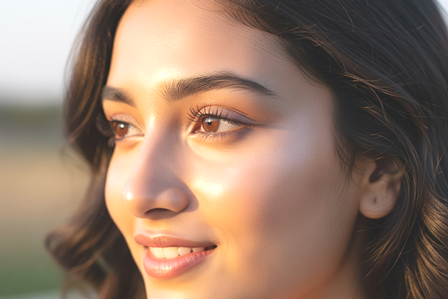
Dewy skin refers to a fresh, radiant, and well-hydrated look that mimics the natural glow of healthy skin. It’s not oily or sweaty-but softly luminous, like morning dew on petals. Dewy skin reflects light gently, showing off smooth texture and deep nourishment. Achieving this look often means focusing on hydration, skin barrier repair, and gentle exfoliation rather than heavy makeup. It’s the kind of glow that looks effortless and youthful-like your skin is lit from within.
Collected Resources: Earth & Essence Ingredients for Dewy Skin
This preparation relies on a blend of detoxifying roots, soothing resins, nourishing fats, and purifying fluids. Each one contributes to healing the skin in its own way:
- Yava (Holarrhena antidysenterica) – Known as Conessi, both root and seeds are used for purifying the skin and blood.
- Rodhra (Symplocos racemosa) – The bark of this tree tones the skin, reduces spots, and evens out complexion.
- Sarja-Rasa (Shorea robusta) – A thick resin with healing and astringent qualities; helps shrink marks and scars over time.
- Ushira (Vetiveria zizanioides) – Commonly called vetiver, this cooling root refreshes, tones, and clarifies the skin.
- Madana (Wax) – Most likely natural beeswax, used for its soothing, sealing, and softening effect on dry, damaged skin.
- Madhu (Honey) – A natural antibacterial and humectant that keeps the skin moist and clear.
- Ghrita (Clarified Butter) – Ghee penetrates deep into the skin, delivering herbal nutrients and aiding regeneration.
- Guda (Jaggery) – Traditionally known for its blood-purifying properties and mild exfoliating effect.
- Gomutra (Cow’s Urine) – Revered in Ayurveda for its cleansing action, it is used to detoxify the skin and enhance absorption of herbal properties. – Reference: Herbal Cosmetics in Ancient India.
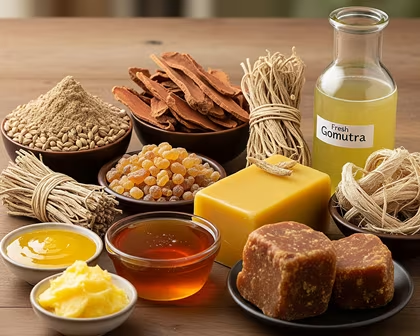
These ingredients may be available in herbal shops or Ayurvedic supply stores. If not, check specialty spice markets.
You can find the herbal ingredients on Amazon Yava, Rodhra, Sarja-Rasa, Ushira, Madana (Wax), Madhu (Honey), Ghrita (Clarified Butter), Guda (Jaggery), Gomutra (Cow’s Urine),
What You’ll Need
You’ll need equal amounts of dried Yava root and seed powder, Rodhra bark, Sarja resin, and Ushira root. Also, make sure to collect clean beeswax, raw honey, ghee, and jaggery. Most importantly, use fresh gomutra from a healthy indigenous cow—only then does it retain the purifying properties that Ayurveda so highly values.
Use a thick-bottomed pan, a wooden spatula, and a sterilized glass jar for cooking and storage. Cook in a well-ventilated space, as gomutra releases a naturally strong aroma during the process.
Getting Started: Prep with Care
First, clean all the herbal ingredients thoroughly. Next, powder or crush them into a coarse texture to get them ready for cooking. Soften beeswax gently if it’s in block form. Melt the ghee and jaggery over a low flame until they blend smoothly. Mix the honey only after the cooking is done to preserve its potency.
The key here is slow preparation with full attention. Ayurvedic skincare was never rushed-it was a form of ritual healing.
Method: How to Make the Herbal Unguent
Once all ingredients are measured and ready, mix them into a large pot. Pour gomutra slowly, enough to submerge the herbs and base mixture. Begin heating the mixture over a very low flame. Stir gently and continuously using a wooden ladle.
As it simmers, the gomutra acts as a carrier, pulling out the medicinal properties from the roots, resins, and wax. Over the next 45–60 minutes, the mixture will thicken into a paste-like unguent. Its color deepens, and the aroma becomes richly earthy.
Once reduced to a thick consistency and well-blended, remove from heat. Strain while warm using a muslin cloth. Transfer to a glass jar and let it settle overnight.
How to Use This Ancient Skin Elixir
Before bedtime, begin by cleansing your face and feet with warm water. Then, take a small scoop of the unguent and gently massage it into the skin. Use soft, circular strokes to help it absorb. Pay special attention to areas with pigmentation, dark patches, or roughness for best results.
You may leave it on for 20–30 minutes and rinse with lukewarm water, or leave it overnight if your skin is comfortable with it. Apply 2–3 times per week for visible results.
Avoid using any chemical-based product alongside. Let this remedy work purely on your skin’s rhythm.
Superpower Explained
What makes this formula extraordinary is its synergy. It doesn’t aim to bleach or cover imperfections. Instead, it addresses the root causes—poor circulation, toxin buildup, and surface inflammation.
Yava and Ushira purify. Rodhra and Sarja calm and restore. Ghee, honey, and jaggery nourish and regenerate. Gomutra, though controversial in modern contexts, is highly respected in Ayurveda for balancing the skin’s internal doshas and clearing systemic dullness that shows up as spots and darkness.
Together, these ingredients offer gentle exfoliation, deep hydration, rich nourishment, and a naturally brightening effect-nothing artificial. Over time, the skin begins to reflect the glow and texture of a lotus petal: clear, soft, and full of life.
ALSO READ: How to make Ayurvedic Mouth Odour Remedy & Fragrant Breath
Final Thought: Embracing the Path to Dewy Skin
This isn’t just a beauty blend-it’s a legacy. A practice born from observation, reverence, and connection to the earth. In a world obsessed with fast fixes and instant brightness, this unguent invites you back to something slower, deeper, and more lasting.
Trust the rhythm of your skin. Let ancient hands guide you back to your natural glow.
This post contains affiliate links. If you purchase through these links, I may earn a small commission at no extra cost to you.


