
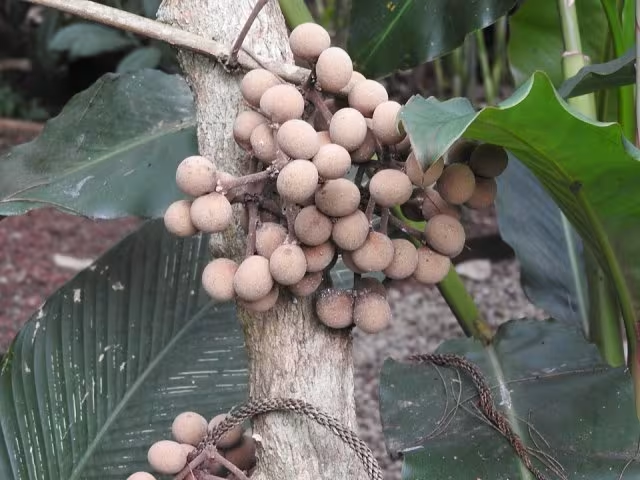
Kalambak, scientifically known as Coscinium fenestratum, is a flowering woody climber native to South and Southeast Asia. In English, it is often called Tree Turmeric or Yellow Vine. This plant is critically endangered in many regions due to overharvesting and habitat loss, yet it remains a staple in traditional medicine systems like Ayurveda, Siddha, and Unani.
Belonging to the Menispermaceae family, it has been used for centuries across Indian subcultures under different names—Daruharidra in Sanskrit, Maramanjal in Tamil, Maradashina in Kannada, and Dary Haldi in Hindi. Despite its endangered status, Kalambak continues to play a key role in treating a wide range of health conditions.
Coscinium fenestratum: Traditional Uses and Ayurvedic Benefits
Kalambak is a core ingredient in over 60 classical Ayurvedic preparations such as Ashwagandharishta, Katakakhadiradi Kashayam, and Mahapanchagavyam. Most therapeutic uses come from the stem, which is prized for its bitter taste, yellow sap, and exceptional healing qualities.
In Ayurveda, Kalambak is known for balancing Kapha and Pitta doshas. It supports liver detox, purifies the blood, soothes inflammation, and boosts immunity. This herb is particularly useful in conditions like jaundice, diabetes, urinary tract infections, wounds, ulcers, and digestive disorders.
Its applications extend to skin diseases, eye and ear infections, throat issues, and even menstrual discomfort. Traditional practitioners also use it in cases of snake bites and chronic infections due to its antimicrobial nature.
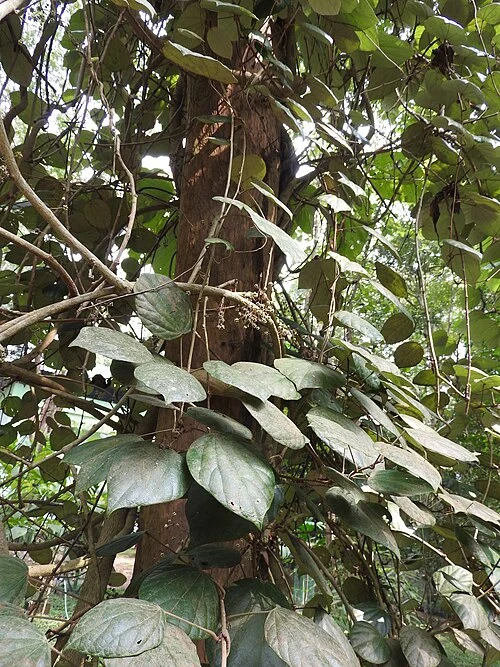
Phytochemical Richness and Therapeutic Properties of Coscinium fenestratum
The stem is where most of Kalambak’s magic lies. Its yellow sap contains compounds with antibacterial, anti-inflammatory, and hypotensive actions. The ethanolic extracts of the plant have shown promise in lowering blood pressure, fighting bacteria and fungi, and promoting healing.
Its aqueous extracts can inhibit harmful microbes like Clostridium tetani, the bacteria that causes tetanus. The root is used to treat debility and dysentery, while the paste made from the stem helps heal wounds, relieve itching, and reduce swelling.
Kalambak also shows antioxidant and hepatoprotective effects—making it valuable in managing liver problems and oxidative stress. It is even known to improve voice clarity and soothe inflamed tissues in the throat.
Pros and Medicinal Benefits:
Kalambak offers a wide range of healing properties:
- It boosts liver function and aids in natural detox.
- Helps manage blood sugar levels and supports pancreatic health.
- Combats skin disorders like eczema, herpes, and itching.
- Promotes quick wound healing with its drying action.
- Improves urinary health and soothes inflammation in the urinary tract.
- Useful in eye and throat infections, especially as a mild decoction.
Its external application in paste form offers fast relief from pain, ulcers, and skin irritation. Internal decoctions support better digestion and immunity.
Cons and Precautions:
Though highly beneficial, Kalambak should be used with care:
- It is not safe during pregnancy or breastfeeding, as it may trigger uterine contractions.
- People with Vata body types may experience increased dryness.
- Those with gastric sensitivity should limit usage, as it might cause constipation.
- If you suffer from low blood pressure, Kalambak may worsen symptoms due to its hypotensive effect.
- Long-term use may lead to fluid imbalance, so always consult an Ayurvedic doctor before regular use.
ALSO READ: Healing Power of Cassia auriculata: Incredible Benefits of Kanchanapami You Need to Know
Conclusion:
Kalambak (Coscinium fenestratum) is a rare but powerful Ayurvedic herb, treasured for its liver-protective, anti-inflammatory, and antimicrobial qualities. It helps in managing complex diseases like diabetes, jaundice, skin disorders, and digestive issues. However, like all strong herbal remedies, its use must be guided by proper knowledge and supervision.
Disclaimer:
The information provided in this article is for educational and informational purposes only. It is not intended to diagnose, treat, cure, or prevent any disease. Always consult with a qualified healthcare professional before starting any new herbal or health regimen. While traditional knowledge and scientific research support many of the benefits mentioned, individual results may vary. We encourage informed choices and responsible wellness practices.


